
Renting a property in Israel can feel daunting, especially if you are coming from the United States, Canada, the UK, or anywhere else where the rental process works very differently. You sign a contract, you hand over some checks, you get the keys, and you move in.
What many renters in Israel discover, sometimes only after a dispute arises or a landlord withholds a deposit, is that there are obligations baked into Israeli rental culture and law that are not always spelled out clearly in the agreement, and certainly not in a way that an English speaker unfamiliar with the system would immediately recognize. Some of these obligations are legal. Some are customary. And some are simply practical realities that experienced Israeli renters take for granted but that new olim or expats never thought to ask about.
Understanding the main areas of tenant responsibility when renting in Israel helps you go into your rental with open eyes, know what to expect, and how to protect yourself if things get complicated.
The Rental Agreement Is Just the Starting Point
Before getting into the specific responsibilities, it is worth saying clearly: the rental agreement is the foundation of your rights and obligations as a tenant. But it is not the whole picture. Israeli contract law, municipal regulations, building committee bylaws, and long-standing rental customs all layer on top of whatever is written in your specific agreement. That is one of the reasons having a lawyer review your rental contract before you sign is strongly recommended, even if it feels like an extra step.
A lawyer can flag clauses that are one-sided, identify obligations that are being transferred to you that are not legally yours to carry, and make sure the agreement reflects what was actually agreed upon verbally.
Arnona: The Municipal Tax That Is Now Your Problem
Arnona is the Israeli municipal property tax, and in virtually every rental situation in Israel, the tenant is responsible for paying it during the period of the lease. This is not optional, and it is not negotiable in most cases. It is simply how the Israeli rental market works.
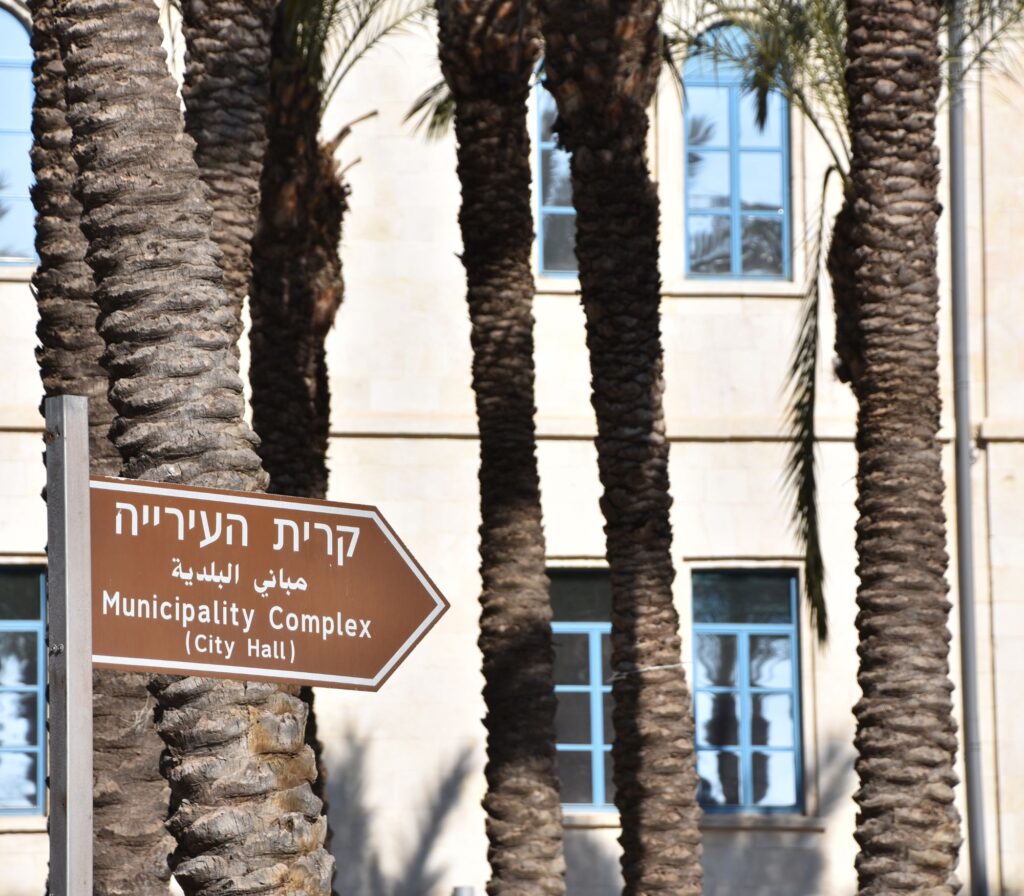
Arnona is calculated based on the size of the property and the municipality in which it is located. Rates vary significantly from city to city. Jerusalem, Tel Aviv, and Ra’anana will look very different from Modiin or Beersheba. The amounts are not trivial and should be factored into your actual monthly housing cost from day one.
As a tenant, you are required to register the property in your name at the local municipal office for the duration of your lease. If you fail to do this and the previous tenant or the landlord continues to be billed, you may find yourself in a dispute about arrears when it comes time to vacate.
New olim should be aware that Arnona discounts are sometimes available based on immigration status, income, or other eligibility criteria. It is worth contacting your local Iriya or an advisor at the Jewish Agency or Nefesh B’Nefesh to ask about what discounts might apply to you. But the responsibility for registering, paying, and eventually deregistering the Arnona when you leave falls on you as the tenant.
Vaad Bayit: The Building Committee Fee
If you are renting in a multi-unit building in Israel, which covers the vast majority of apartments in the country, you will likely encounter the concept of Vaad Bayit. This is the building management committee, and the monthly fee that comes with it covers shared expenses like cleaning of common areas, maintenance of the elevator, lighting in stairwells, and often basic upkeep of the building’s shared systems.
In most rental agreements, the tenant pays the Vaad Bayit fees for the duration of the lease. These fees are typically collected monthly, either directly to the building committee treasurer or through a management company. The amount varies widely depending on the building and can range from a small token amount in an older walk-up to a few hundred shekels per month in a building with an elevator, garden, and hired cleaning staff.
What many renters do not realize is that the Vaad Bayit can also levy special assessments for one-time building expenses, such as a major elevator repair or a structural fix. Whether or not a tenant is responsible for contributing to these one-time costs should be clearly addressed in the rental agreement. If it is not, the situation can become contested. This is the kind of clause a lawyer will look for when reviewing your contract.
Basic Upkeep and Day-to-Day Maintenance
One of the most common sources of conflict between landlords and tenants in Israel involves the question of who pays for what when something breaks or needs attention. The general principle under Israeli law is that the landlord is responsible for structural and major system failures and major wear and tear, while the tenant is responsible for day-to-day wear and tear and minor maintenance.
In practice, this line is often blurry and the rental agreement may try to shift more responsibility onto the tenant than is customary or legally appropriate. Regardless of what is written in the agreement, Israeli law does place certain baseline repair obligations on the landlord, and a one-sided clause that makes the tenant responsible for everything from a leaking roof to a broken boiler should be challenged.
That said, tenants do have genuine maintenance responsibilities. These typically include things like replacing light bulbs and fuses, keeping drains clear and reporting blockages before they become major problems, basic care of appliances that came with the property, and ensuring that minor issues do not escalate through neglect. If you notice a small leak under a sink and ignore it for three months, the resulting water damage will be difficult to disown.
Document everything. When you move in, do a thorough walkthrough and photograph every scratch, stain, crack, and defect. Send those photos to the landlord in writing on the day you move in. This record is your protection when you leave.
Leaving the Property as You Found It
This is one of the most loaded phrases in Israeli real estate, and it catches renters off guard all the time. “Leaving the property as you found it” does not just mean tidying up when you move out. It can mean filling nail holes in walls, repainting if the walls were pristine when you arrived, restoring any fixtures or fittings you changed, and removing anything you installed, even if it improved the property.
In Israel, landlords take this standard seriously. It is common for end-of-lease disputes to arise over paint jobs, deep cleaning costs, and the condition of appliances. Some landlords deduct these costs from the security deposit and some pursue the matter further if the deposit does not cover it.

To protect yourself, the move-in documentation mentioned above is critical. But equally important is having a clear written definition in your rental agreement of what condition the property must be returned in and what the baseline condition was when you arrived. Vague language like “good condition” or “tidy” is not enough. The more specific the agreement is about what was present and in what state, the less room there is for disagreement later.
Insurance: What the Landlord Does Not Cover
Many renters in Israel, particularly those coming from countries where renters’ insurance is a well-known product, assume that because they are renting, the landlord’s building insurance covers them. It does not.
Landlord building insurance in Israel typically covers the structure of the property, but it does not cover your personal belongings, your liability if a guest is injured in your apartment, or damage you accidentally cause to the property itself. For that, you need your own renters’ insurance policy.
Renter’s insurance in Israel is generally affordable and covers personal property against theft, fire, water damage, and other risks. It also typically includes third-party liability coverage, which protects you if, for example, a visitor’s property is damaged while in your home.
Some rental agreements in Israel actually require the tenant to maintain an active insurance policy and to provide proof of coverage to the landlord. Even if yours does not require it, getting coverage is strongly advisable. It is an inexpensive way to avoid a situation where a single incident leaves you personally responsible for thousands of shekels in damage.
One insurance issue that very few renters think to ask about, but that can have serious financial consequences, is the subrogation clause. Subrogation is the right of an insurance company to step into the shoes of the party it paid out and pursue a third party for compensation. In practical terms, this means that if the landlord’s insurer pays out a claim for damage caused by the tenant, such as a fire started accidentally in the kitchen, that insurer can then turn around and sue the tenant directly to recover what it paid. The landlord may have no involvement in or even awareness of this, but the tenant can find themselves facing a lawsuit from an insurance company for tens or even hundreds of thousands of shekels. The way to prevent this is to ensure that both the landlord’s insurance policy and the tenant’s own policy include a mutual waiver of subrogation, which cancels this right as between the two parties. This requirement should also be written explicitly into the rental agreement itself, obligating both the landlord and the tenant to maintain policies that include the waiver. Without this protection in place, the fact that a tenant carries their own insurance does not shield them from a subrogation claim by the landlord’s insurer. This is one of those clauses that is easy to add before signing and very difficult to remedy after the fact.
Utility Transfers: Your Name on the Account
Utilities in Israel, including electricity, gas, water, and sometimes internet and cable, need to be transferred into the tenant’s name at the start of the lease. This is the tenant’s responsibility and not something the landlord handles for you.
This means you need to contact the relevant providers at the start of your tenancy, provide your identification, and register the accounts in your name. At the end of the lease, you reverse the process. Leaving without properly closing or transferring your utility accounts can result in debt that follows you, and it can cause problems for the incoming tenant or the landlord.
Water billing in Israel is slightly different in that it is sometimes tied to the property through the municipality, but the registered payer can be transferred. Make sure you understand how water billing works in your specific building, as some buildings with shared meters handle it differently.
Keep copies of all final bills and meter readings when you vacate. These are important for confirming that you left no outstanding balances.
The Security Deposit and Post-Dated Checks
Israeli rental practice relies heavily on post-dated checks as a form of security. Landlords typically require tenants to provide a set of post-dated checks covering the monthly rent payments for the term of the lease, along with one or more security checks that can be cashed if the tenant defaults on the rent or causes damage.
This system is standard in Israel and is not something to be alarmed by, but it does carry real obligations. Those security checks sit with the landlord and can be cashed under certain contractual conditions. Understanding exactly what conditions allow the landlord to deposit a security check, and what protections you have against a landlord cashing a check improperly, is important and should be part of your pre-signing review.
Some landlords also require a bank guarantee (arevut bankait) in addition to or instead of checks. This is a formal guarantee from your bank that a certain amount is reserved and available to the landlord in case of default. Bank guarantees involve fees and paperwork and take time to arrange. If this is required, factor that into your timeline before signing.
Subleasing and Modifications: Ask Before You Act
Under Israeli rental law, tenants generally do not have the right to sublease the property or make structural modifications without explicit written permission from the landlord. This sounds obvious, but it comes up more often than you might expect, particularly with long-term renters who start treating the apartment more like their own home over time.
Subletting even a room without authorization can void your lease and expose you to a lawsuit. Adding a built-in closet, breaking down a non-structural wall, or installing an air conditioning unit in a wall that did not have one are all examples of modifications that require landlord approval. Even decorative changes like painting walls a different color can become a point of conflict at the end of the lease if the agreement requires the property to be returned to its original state.
If you want to make any improvements, get written permission in advance. Ideally, the agreement itself should address this by specifying what modifications are permitted and whether the tenant will be compensated for improvements left behind or required to restore the original condition.
A Note for New Olim: Extra Considerations
If you have recently made aliyah, you are navigating the Israeli rental market while simultaneously adjusting to a new language, a new bureaucratic system, and a new culture. That is a lot to manage at once, and the rental process can expose you to situations where things are done “the Israeli way” without anyone explaining what that means.
A few things worth highlighting for new olim in particular: your Hebrew language limitations should not prevent you from fully understanding every clause in your rental agreement. If the agreement is only in Hebrew, you have the right to request a translated version or to work with a bilingual lawyer who can walk you through it. Signing a document you do not understand is a risk that can have significant financial consequences.
Additionally, some landlords or rental agents may present certain terms as standard or non-negotiable when in fact they are not. Having professional representation, even for a rental, can level the playing field and ensure that you are not inadvertently agreeing to obligations that go beyond what the law or custom actually requires of you.
The Bottom Line
Renting in Israel comes with real responsibilities that go beyond paying rent on time and keeping the place tidy. Arnona, Vaad Bayit, insurance, utilities, post-dated checks, maintenance, and end-of-lease restoration are all areas where tenants can find themselves surprised or in dispute if they were not fully informed going in.
The best protection is preparation. Document the property thoroughly before you move in. Understand every clause before you sign. Register utilities and municipal accounts in your name promptly. Carry your own renters’ insurance. And when in doubt, consult a professional before the problem arises rather than after.
If you are about to sign a rental agreement and want a lawyer’s eyes on it before you do, contact Dvoranit to review rental contracts and advise English-speaking clients on their rights and responsibilities under Israeli real estate law.
Disclaimer: This article is intended for general informational purposes only and does not constitute legal advice. Israeli real estate law and rental practices can vary depending on the specific municipality, property type, lease terms, and individual circumstances. There may be additional responsibilities, rights, or considerations relevant to your specific situation that are not covered in this article. Before signing any rental agreement or taking legal action, you are strongly encouraged to consult with a qualified Israeli real estate lawyer who can assess your individual case. Dvoranit Schwartz and dvoranitlaw.com do not assume any liability for actions taken based solely on the information provided in this article.